The five senses. Sight. Hearing. Smell. Taste. Touch.
They are the main avenues through which we experience and make sense of the world around us.
To what degree do you seek out sense objects? The TV. Food. Podcasts. Music.
Do you decide when to engage with these things? Are you able to disengage from them if you choose? Or do they run you?
Are you always orientated towards the outside world? Or do you sometimes turn your attention towards your inner world. Your thoughts and emotions.
Sight is a very powerful sense. We like to see beautiful or interesting things. It may be a sunset, a video game, your favourite TV program or a movie. We also shy away from things that we don’t like to see. In other words, we sometimes feel aversion.
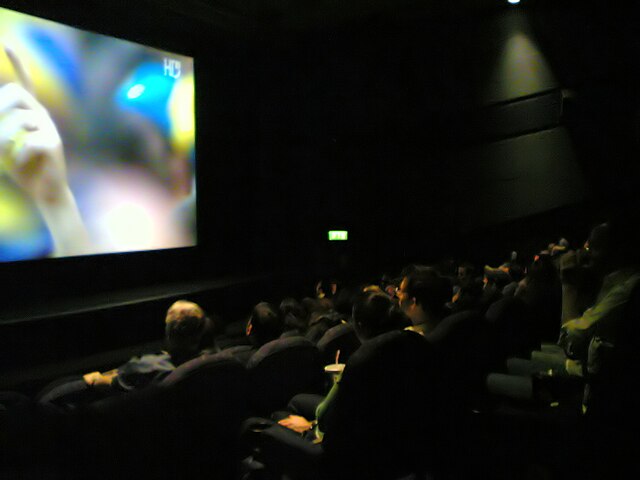
When you see something, do you have a level of detachment from the object that you are viewing? Or does the object become part of you? Consider when you watch a movie. At times, you can lose yourself in the experience. Indeed, the director of the movie probably tries their upmost to create this very experience for the viewer. If you do get lost in the movie, in a way you become it part of it. It takes you in and doesn’t let you go until it has finished. Or perhaps it is better to say that you allow yourself to be taken in. If you are very close to the experience, the images will have a big impact on you. If you have more detachment from the image, the image will sway you less.
What about food?
Taste can also a very strong sense.
Do you eat for nutrition? Do you eat for pleasure? Most of us will have both motivations. One may be more dominant at a particular time.
What would your prefer to drink? A glass of water of a Coke?
Most would agree that the glass of water is better for us. But many would still choose the Coke. Why? It brings more pleasure to our sense of taste.
Again, the greater problem will be the degree to which we are attached to these foods or drinks. Can we stop? Can we choose when to engage and when to disengage?
Buddhist monks investigate these matters thoroughly. It is a common practice for monks to limit the amount of food they have, perhaps having only one meal a day. Often, they don’t choose what they eat. Some Buddhist orders engage in alms rounds. This is common in southeast Asia where the lay community is used to supporting the monastic community in this way. Monks will go to the village with their bowl and and receive what is given.
In limiting the amount and the choice of what they eat, these monks are practicing sense restraint. They are practising maintaining their mind whatever the external situation is. Whether the food is delicious or not. Whether the food is pleasing or not.
Finally, let us consider hearing. If you have a moment silence, do you turn on some music? How many songs do you listen to each day? Are there songs that you just can’t listen to? Are they akin to listening to nails scraping on a blackboard?
If you are on a train, do you always put your headphones in and put on a podcast? Or are you able to sit there are deal with the annoying sniffles and conversations of strangers? Are their conversations inherently boring or is it that we have decided that we have an aversion to the topic being discussed?
We are assailed by more images and sounds than people were twenty, thirty and forty years ago. Hopefully we will be in charge of them rather than them being in control of us.
 Australia and the World Past and Present
Leave a comment