1 – 擯斥 – hinseki – ostracism
2 – 微醺 – bikun – slight intoxication
3 – 寐語 – bigo – sleep-talking
4 – 媚笑 – bishou – enticing smile
5 – 媚態 – bitai – coquetry
6 – 瀰漫 – biman – spread
7 – 白毫 – byakugou – whorl of white hair on the forehead of the Buddha, represented by a white precious stone on statues of Buddha
8 – 白朮 – byakujyutsu – used in herbal medicine
9 – 媚薬 – biyaku – aphrodisiac
10 – 謬説 – byuusetsu – fallacy
11 – 苗裔 – byouei – descendant
12 – 杪春 – byoushun – end of spring
13 – 病牀 – byoushou – sickbed
14 – 病褥 – byoujyoku – sickbed
15 – 眇眇 – byoubyou – trifling
16 – 屏風 – byoubu – folding screen
17 – 渺茫 – byoubou – boundless
18 – 微恙 – biyou – slight illness
19 – 糜爛 – biran – ulceration, abscess, decomposition (of a body), becoming degenerate
20 – 鬢削ぎ – binsogi – evenly cut sidelocks (symbol of adulthood for noblewomen in the Heian era), ritual of cutting the sidelocks (coming-of-age ceremony for women from about 1568-1867)
21 – 鬢除ぎ – binsogi – evenly cut sidelocks (symbol of adulthood for noblewomen in the Heian era); ritual of cutting the sidelocks (coming-of-age ceremony for women from about 1568-1867)
22 – 鬢長 – binnaga – a type of tuna
23 – 憫察 – binsatsu – taking pity upon
24 – 愍笑 – binshou – smiling with pity
25 – 愍然 – binzen – pitiable
26 – 憫然 – binzen – pitiable
27 – 鬢曽木 – binsogi – evenly cut sidelocks (symbol of adulthood for noblewomen in the Heian era), ritual of cutting the sidelocks (coming-of-age ceremony for women from about 1568-1867)
28 – 鬢髪 – binpatsu – hair at the side of the head
29 – 黽勉 – binben – diligence
30 – 紊乱 – binran – disorder, corruption (of public morals)
31 – 腑抜け – funuke – wimp
32 – 腑分け – fuwake – autopsy
33 – 傅育 – fuiku – bringing up, tuition
34 – 封緘 – fuukan – a seal on letters or documents
35 – 諷刺 – fuushi – satire
36 – 瘋癲 – fuuten – insanity, vagabond
37 – 風靡 – fuubi – sweeping (the world)
38 – 諷喩 – fuuyu – insinuation, allegory
39 – 斧鉞 – fuetsu – axe
40 – 布衍 – fuen – clear explanation
41 – 敷延 – fuen – clear explanation
42 – 敷衍 – fuen – clear explanation
43 – 孵化 – fuka – incubation, hatching
44 – 俯角 – fukaku – depression, angle of a dip
45 – 負郭 – fukaku – land near a castle
46 – 不堪 – fukan – incompetence
47 – 俯瞰 – fukan – having a bird’s-eye view
48 – 不羈 – fuki – freedom
49 – 俯仰 – fugyou – looking up and down
50 – 馥郁 – fukuiku – fragrant
51 – 袱紗 – fukusa – small cloth for wiping tea utensils
52 – 輻射 – fukusha – radiation
53 – 復讐 – fukushuu – revenge
54 – 輻湊 – fukusou – congestion (e.g. traffic)
55 – 輻輳 – fukusou – congestion (e.g. traffic)
56 – 復辟 – fukuheki – restoration (of an abdicated ruler)
57 – 服膺 – fukuyou – bearing in mind
58 – 巫覡 – fugeki – shaman, diviner
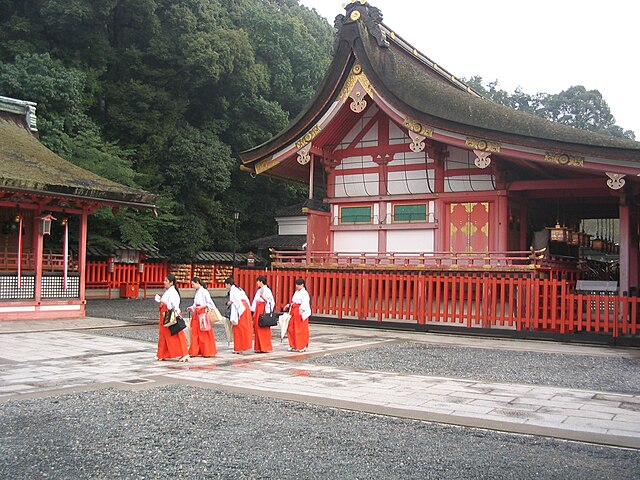
59 – 巫祝 – fushuku – shrine maiden
60 – 巫術 – fujyutsu – shamanism
61 – 富贍 – fusen – affluence
62 – 榑桑 – fusou – Chinese hibiscus
63 – 怫然 – futsuzen – wrathful
64 – 不逞 – futei – insubordination, outlawry
65 – 浮屠 – futo – Buddha, stupa, Buddhist temple, Buddhist monk
66 – 不愍 – fubin – pitiable
67 – 不憫 – fubin – pitiable
68 – 俯伏 – fufuku – prostration
69 – 誣妄 – fubou – slander
70 – 誣謗 – fubou – slander
71 – 誣罔 – fumou – slander
72 – 浮遊 – fuyuu – floating, wandering (about)
73 – 不埒 – furachi – outrageous, rude
74 – 腐爛 – furan – decomposition, ulceration
75 – 孵卵 – furan – incubation, hatching
76 – 符籙 – furoku – fulu; protective talisman used historically by Taoist pilgrims in China
77 – 焚刑 – funkei – burning at the stake
78 – 吻合 – fungo – coincidence, conformity
79 – 刎死 – funshi – decapitating oneself
80 – 噴泉 – funsen – a spring
81 – 紛諍 – funsou – dispute
82 – 芬芬 – funpun – a strong smell
83 – 憤懣 – funman – indignation
84 – 茯苓 – bukuryou – used in Chinese medicine
85 – 誣告 – bukoku – slander
86 – 憮然 – buzen – disappointed, angry
87 – 仏聖 – busshou – rice offered to Buddha
88 – 仏餉 – busshou – rice offered to Buddha
89 – 豊饒 – bunyou / houjyou – fruitful
90 – 舞踊 – buyou – dance
91 – 無聊 – buryou – tedium, discontent
92 – 分袂 – bunbei – parting (from someone)
93 – 弊衣 – heii – worn-out clothes
94 – 平滑 – heikatsu – flat
95 – 屏居 – heikyo – living in retirement
96 – 俾倪 – heigei – glaring at, frowning upon
97 – 炳乎 – heiko – bright, evident
98 – 併合 – heigou – merger, annexation
99 – 嬖妾 – heishou – favourite mistress
100 – 嬖臣 – heishin – favourite retainer
 Australia and the World Past and Present
Leave a comment