In October of last year, Mozambicans headed once more to the polls.
The results of the election were heavily disputed.
In the end, Daniel Chapo and his FRELIMO party were the official winners.
Another presidential candidate – Venacio Mondlane – cried foul claiming that he was in fact the legitimate winner and that the election had been a sham.
Chapo was declared the winner with 65.17% of the vote to Mondlane’s 24.19%.
Frelimo won 171 seats, Podemos 43 and RENAMO 28. Podemos seems to have replaced RENAMO as the leading opposition party.
Violence surrounded the election and over 100 people were killed.
The election was an important one. FRELIMO has dominated politics in the post-colonial period.
For many who lived through the end of the Portuguese administration and the liberation war, FRELIMO was held in high esteem. Many older Mozambicans believed that a certain debt of gratitude was owed to FRELIMO. Many fought in the liberation war and saw themselves as comrades in the struggle. But their influence is declining. The country is experiencing demographic change.
56% of Mozambicans are aged 19 or below. What do they know of Portuguese colonialism or of the liberation war? Probably just what they read in books, learn in school or hear from their grandparents. This period of Mozambican history appears to them to be very dated indeed.
They look to their immediate challenges. They are more concerned about the present. Or they are more likely to look to the future. And they face some huge challenges.
Unemployment is very high.
The far north of the country faces the Islamist insurgency of al-Shabab.
The country faces periodic cyclones and floods.
Corruption is an issue.
Infrastructure inequity is a problem. Development in not even across the country. Outlying provinces can feel quite removed from the centers of development. Roads, the electricity network and the water network all face challenges.
Public servants are not always paid on time.
The colonial era continues to recede. Many southern African states have had half a century of independence. Previously, European colonial powers were blamed when the state was unable to deliver development to the people. That has become increasingly hard to do. New generations now have the grand, old liberation parties in the firing line. This is not unique to Mozambique. The recent elections in South Africa showed that electors are looking to parties other than the ANC for answers to the country’s challenges.
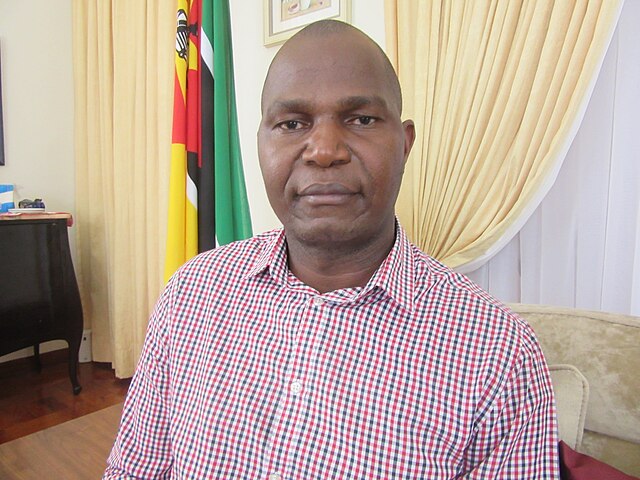
Daniel Chapo is not an part of FRELIMO’s old guard. He is in his 40s. He never directly experienced Portuguese rule. Nor did fight in the Liberation War. Some of the older figures in FRELIMO are hoping that he can carry on their influence and legacy. Even though he belongs to FRELIMO, his FRELIMO will necessarily take on a different form moving forwards into the future. If the party is to remain politically relevant and accountable to young Mozambicans, it will need to look less towards the past and more towards the future.
 Australia and the World Past and Present
Leave a comment