What is gasshō (合掌)?
It is the Japanese word for the two-handed expression of worship, commonly seen in Buddhist contexts.
Both hands are brought together in front of the chest, fingers pointing upwards.
It is a symbol of worship and it is strongly associated with Japanese Buddhism.
It is not a greeting per se. Its primary function is in prayer or reverence and it is usually done in silence. One bows before an altar or when greeting one’s teacher.
Because it is 2 hands brought together, it symbolises the unity of opposites – the self and the other; the body and the mind.
Gasshō looks similar to the namaste gesture, but there are important differences.
The namaste gesture predates Buddhism. It originated in Vedic India at least 3000 years ago. It existed in Vedic rituals (c. 1500-500 BCE) as a sign of offering or reverence. In Pāli / Theravāda texts compiled around the 3rd-1st centuries BCE, it is referred to as the anjalikamma.
It is a common greeting in India and Nepal. It is used in social as well as religious contexts.
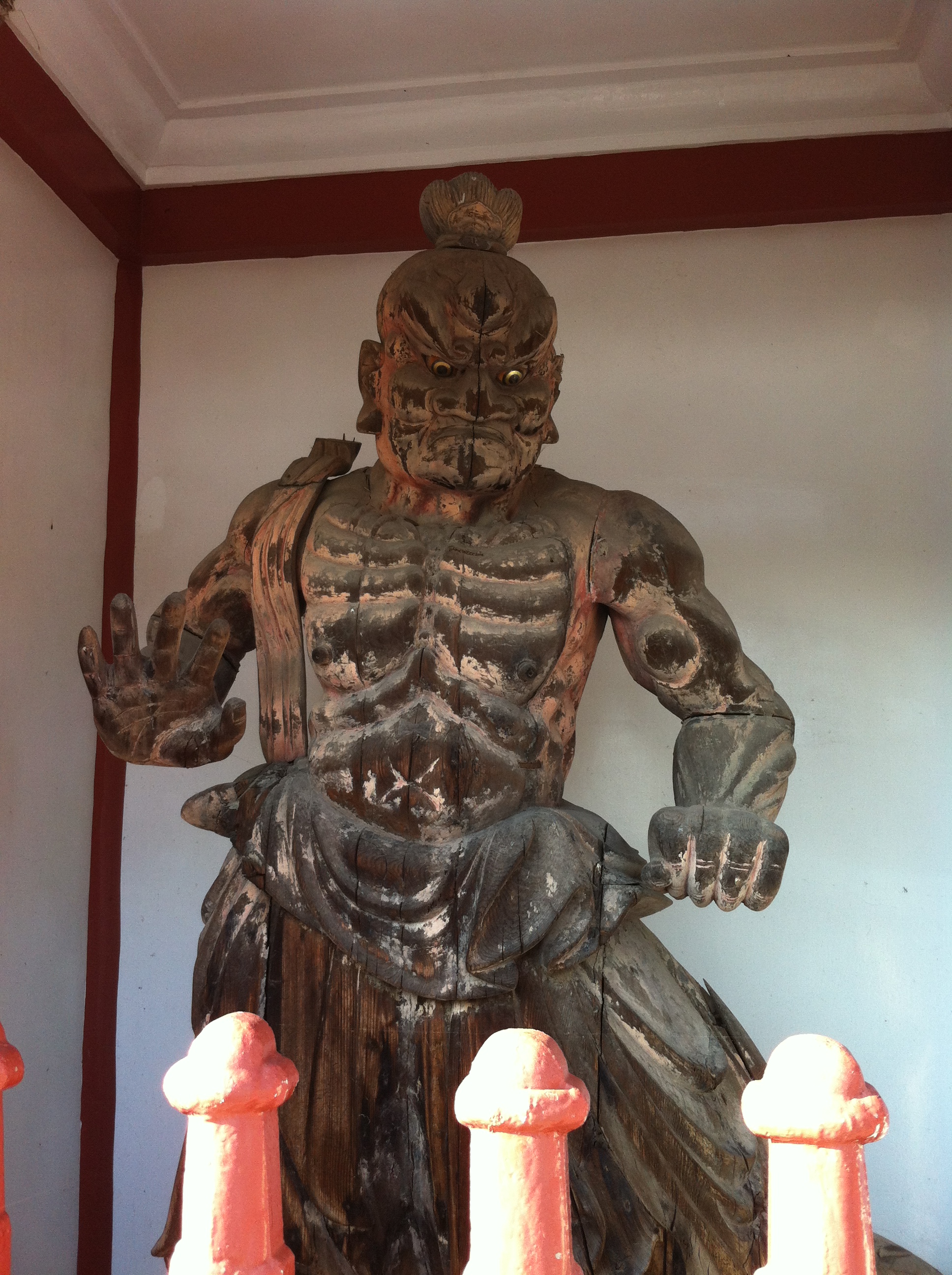
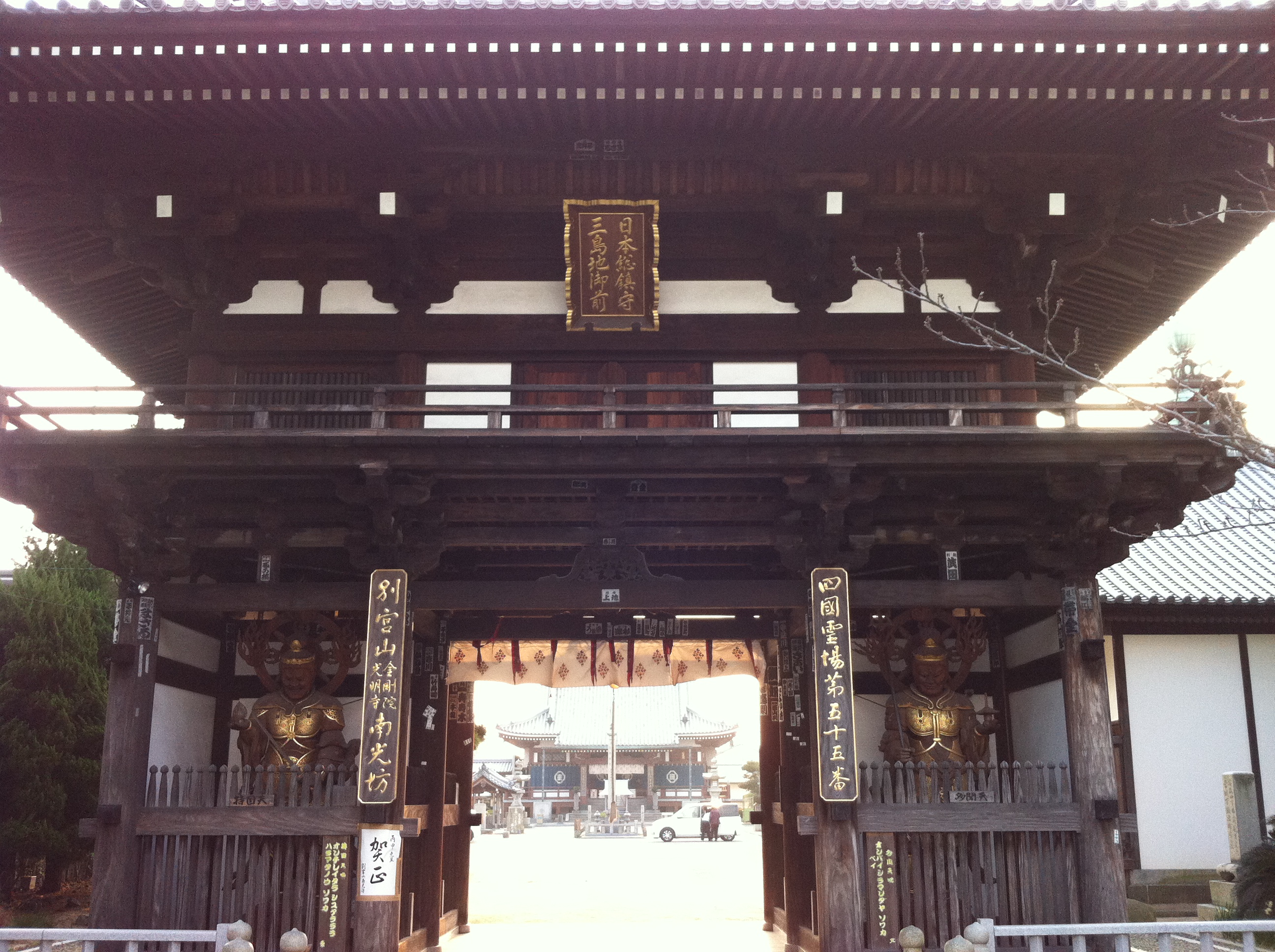
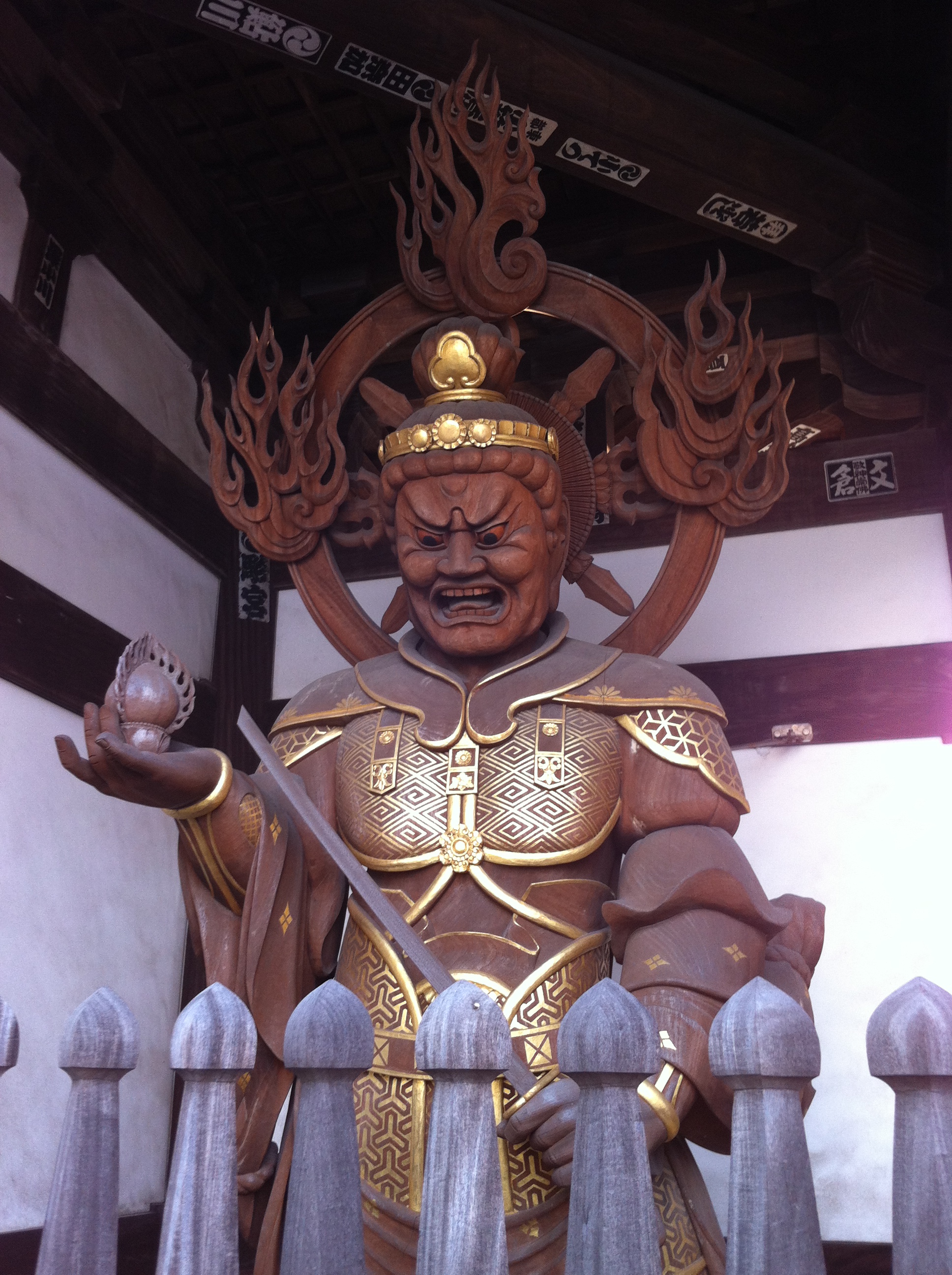
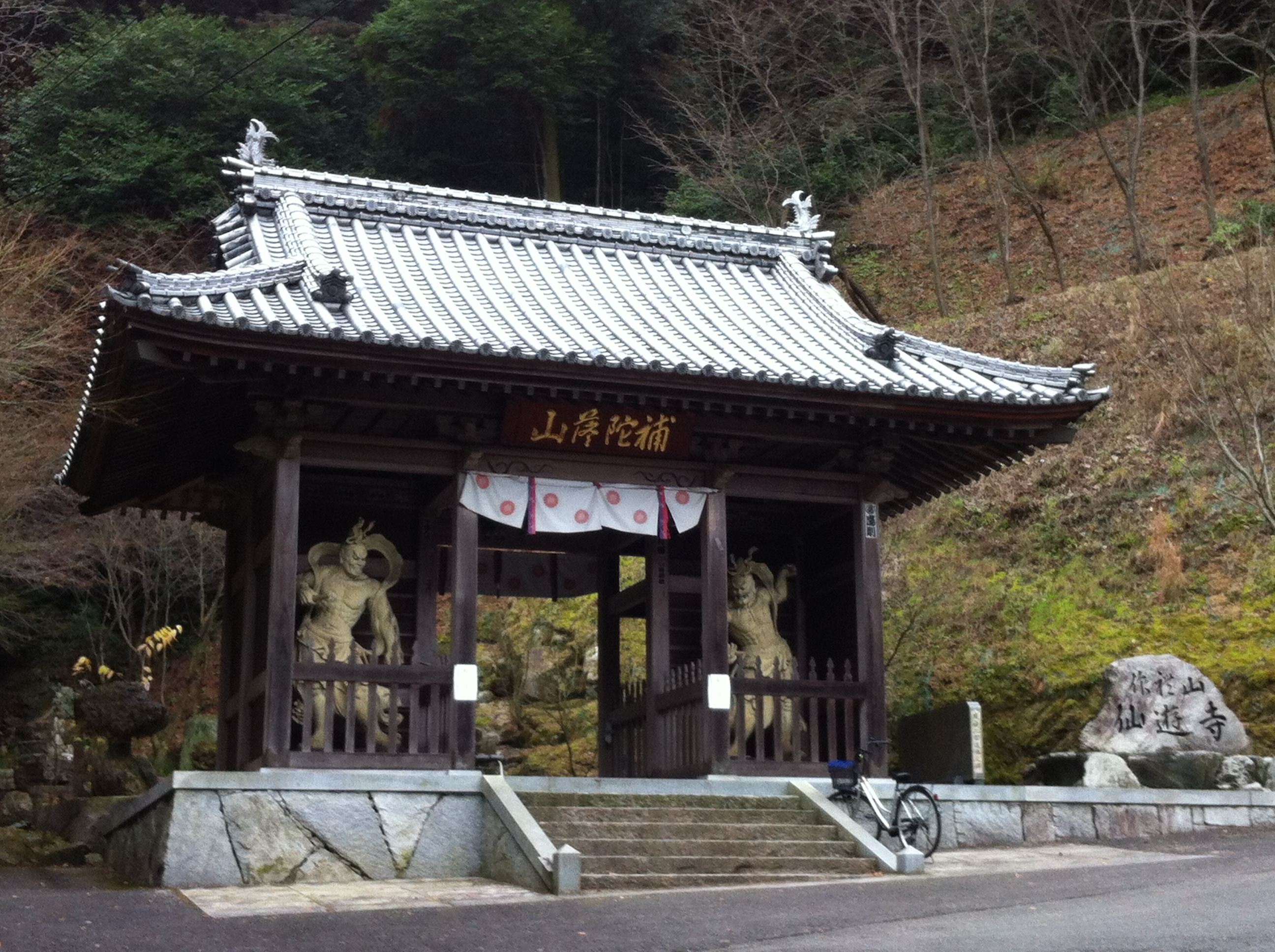
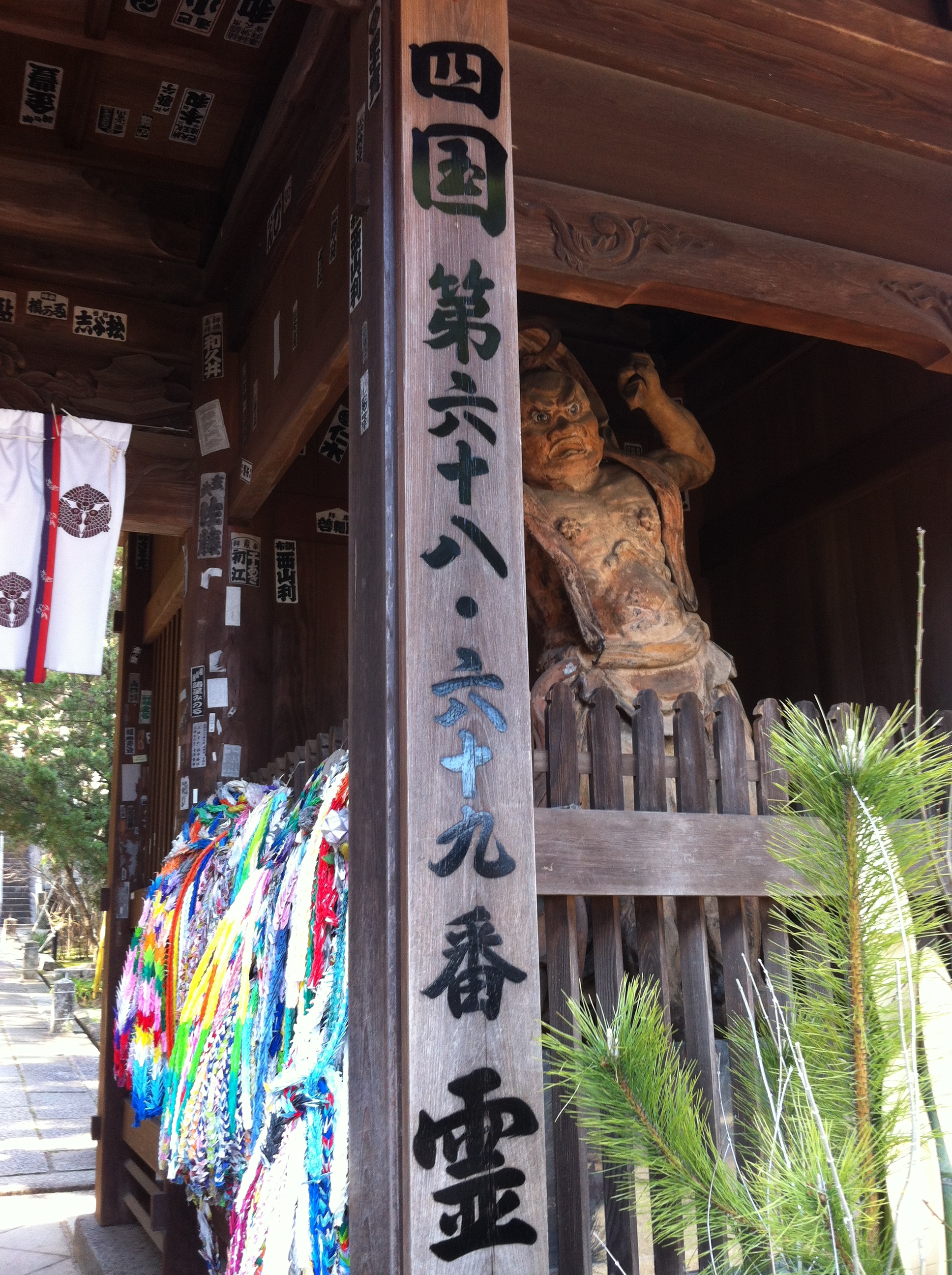
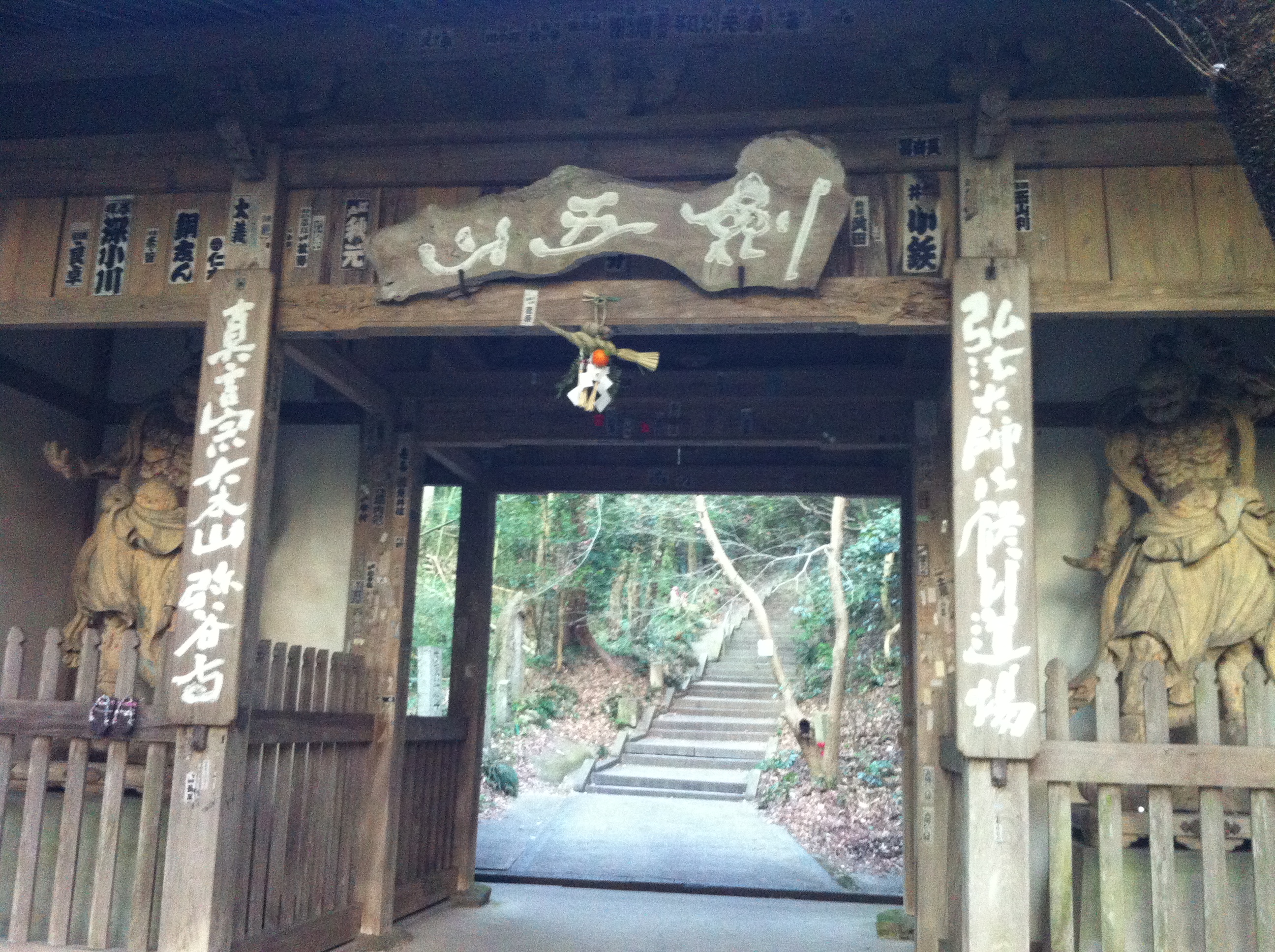
Niō guardians (仁王), also known as Kongōrikishi (金剛力士) in Japanese, are fearsome, muscular statues often placed at the entrance of Buddhist temples in Japan.
They are typically depicted in pairs – one with the mouth open (called Agyō, 阿形) and one with the mouth closed (called Ungyō, 吽形).
They serve as protectors, warding off evil spirits and safeguarding sacred spaces.
The connection to non-duality comes primarily from the A-Un symbolism of the pair.
Agyō, with his open mouth, represents the beginning, birth, and the manifest aspect of reality. The open mouth symbolises vocalisation, the spoken word, and the audible sound of creation.
Ungyō, with his closed mouth, represents the end, death, and the unmanifest aspect of reality. His closed mouth symbolises silence, and the hidden potential from which all things emerge.
Together, Agyō and Ungyō form a unified whole, the totality of existence. They represent the manifest and the unmanifest. This mirrors the Buddhist concept of non-duality — the idea that apparent opposites are not truly separate, but part of a seamless, indivisible reality.
In one sense they appear dual. One is fierce while the other is stoic. One is open-mouthed while the other has a closed mouth. Together they symbolise unity. Birth and death, sound and silence, form and formlessness.
 Australia and the World Past and Present
Leave a comment