Many former AFL footballers transition successfully into business, media, coaching or other careers.
However, a significant minority struggle after retirement.
There can be a loss of identity. Many AFL players have spent their entire lives being footballers. A typical elite player may have been identified as a sporting talent at age 12 or 13. They will have played football at lower leagues throughout adolescence, been drafted at 18 and played professionally until their early 30s.
When football ends they suddenly lose status, routine, and a sense of purpose. They also lose team camaraderie and public recognition.
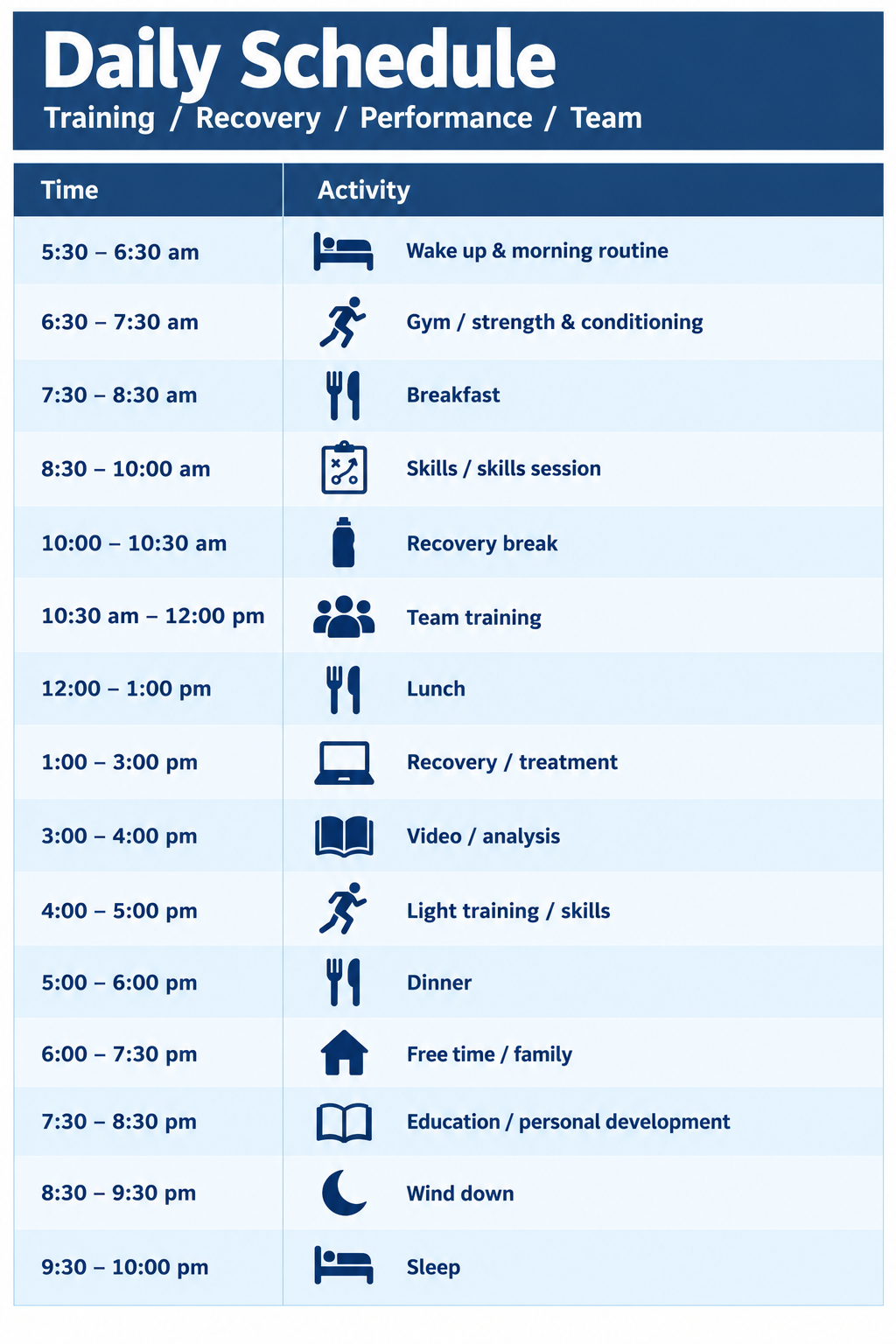
AFL players live highly structured lives. Their days often include training, nutrition programs and coaching sessions. Retirement can create an enormous vacuum.
Many former players have said the hardest part is not the lack of football itself but the absence of daily structure.
Many retired players carry long-term injuries. Common issues include chronic knee problems, hip damage and back pain. A player who was physically elite at 30 may feel significantly diminished by 40.
Former players may also experience financial problems. Although AFL salaries have risen dramatically, this was not always the case. Players from earlier generations often earned modest incomes.
Even today, careers are relatively short. Poor investments can have major consequences.
Professional athletes become accustomed to media attention and recognition. Retirement can feel like a sudden loss of relevance.
Modern AFL discussions increasingly focus on depression, anxiety, gambling issues, alcohol abuse and long-term brain injuries.
There is growing concern about chronic traumatic encephalopathy (CTE), a degenerative brain disease associated with repeated head trauma.
Modern AFL clubs devote far more resources to player development than they did 20 or 30 years ago.
Players now receive career counselling, financial education, mental health support and study opportunities.
In retirement, the biggest challenge is often not the absence of football itself. Retirement usually occurs when a player is in their early 30s. The challenge then becomes creating a new identity and purpose for the next 40 or 50 years of life.
Some manage the transition relatively well, but others find it extremely difficult.


Leave a Reply