What do we know about Bunurong life at the time of European arrival in the early nineteenth century?
Information is somewhat limited.
Much of the recording of Bunurong life was filtered through European eyes. And by and large, these early observers didn’t understand the language of the people they were recording.
Still, they tried to make sense of what they saw.
Denise Gaughwin has pulled together many of these early primary source accounts.
The land around Bass River seemed to be particularly difficult to pass due to thick vegetation and the swampy condition of the land.
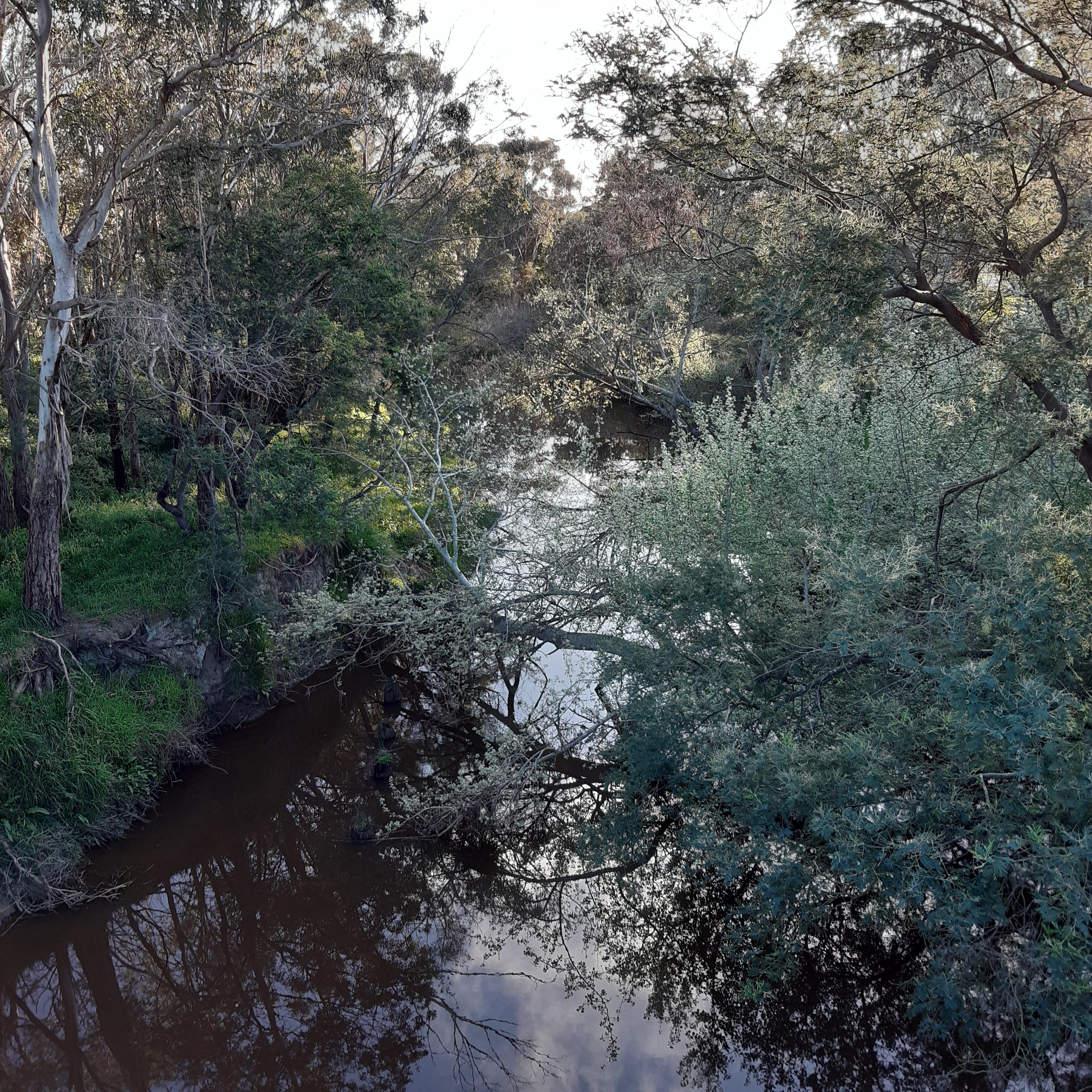
Interestingly, Gaughwin suggests that an efficient way of travelling into the hills was by following creeks inland.1
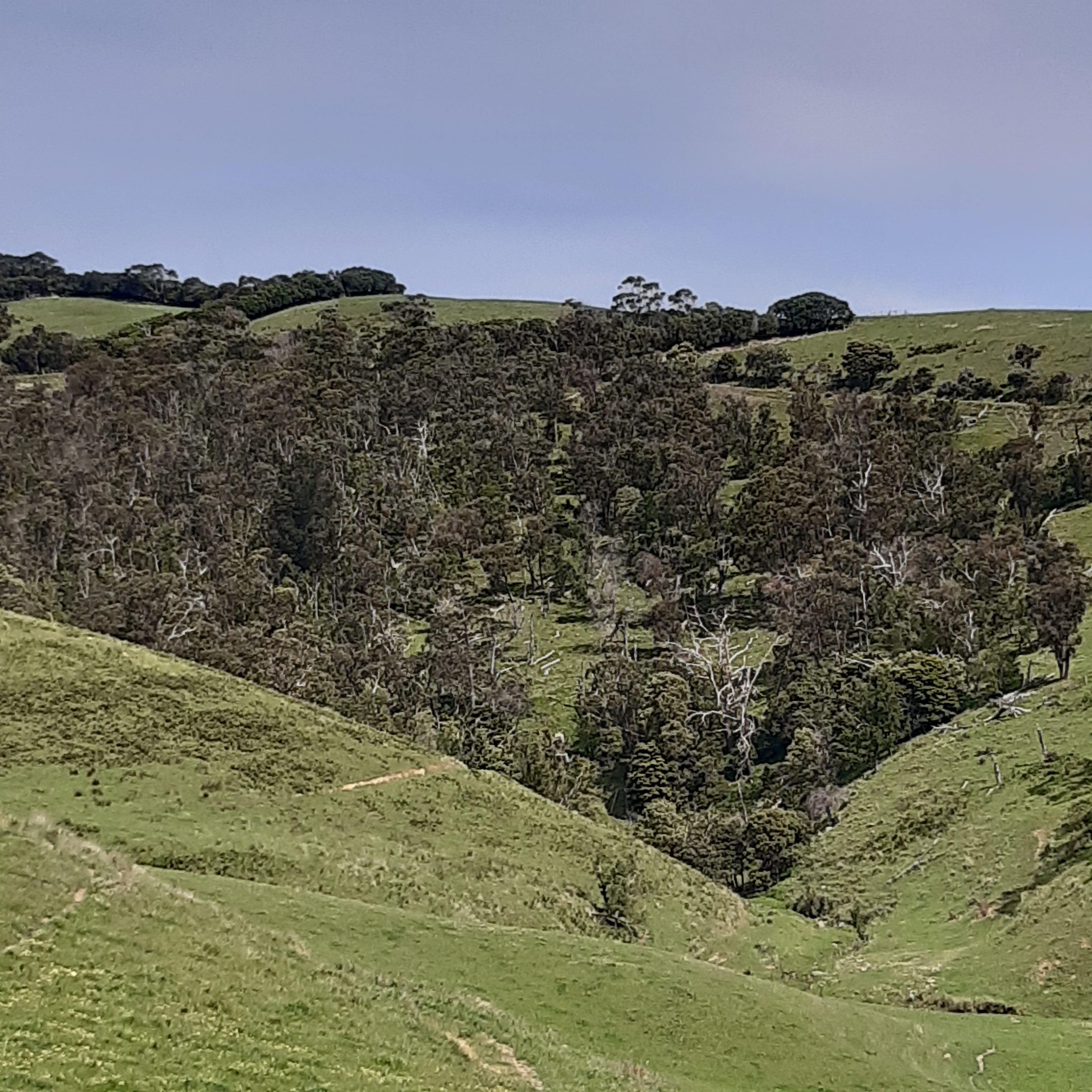
Some areas of Bunurong territory were more commonly frequented than others.
Locations east of Western Port Bay seemed to have been visited less than the Mornington Peninsula or the Koo Wee Rup swamps.
Gaughwin notes two big changes to the landscape after the arrival of Europeans – vegetation clearing and the drainage of swamps (particularly in the Koo Wee Rup area).
The drainage of the swamps may have led to decline in number of eels. Eels were an important food source for the Bunurong.
Oysters could be found on the mud flats of Western Port Bay.
The diet of the Bunurong also included mutton birds and bird eggs.
Kangaroos were hunted.
Rock is not widely available in the region. There are some places like Cape Woolamai on Phillip Island where rock could be found, but locations such as this were few and far between.
This had two general implications on using rock for weaponry or in implements.
The first strategy was to make implements that didn’t require rock.
The alternative would have been to trade with other Aboriginal groups – groups that had better access to the material.
In the early 1820s, sealers could be found on Phillip Island.
The impact of sealers on Aboriginal life has received some attention in recent years.
Some of it speculative.
Generally, there is a lack of first-party accounts on the matter. Aboriginals did not record events as Europeans did – in letters, documents and diaries. Sealers were not good record keepers. Assuming they were literate and could write, such activities didn’t seem to be high on their agenda. They were more focused on the trade of seal skins. Theirs was a physical life. At the end of a long day, they did not retire to write down their thoughts by the flicker of candlelight.
Gaughwin states, “The direct impact of the early explorers and settlements upon the Aboriginies was minimal as the contacts were few and short-lived.”2
Still, later she writes “The hypothesis presented here is that the sealers had a disruptive effect.”3
She believes Aboriginal women were taken to help hunt seals, perform domestic duties and for sexual intercourse.
It is believed that some Aboriginal women found amongst these early sealers may have been from Van Diemen’s Land, or even South Australia. Sealers had the potential to be highly mobile.
The picture we get of the Bunurong from Gaughwin (and she is relying on primary records of early European explorers like William Hovell or missionaries like William Thomas), is one of motion. She even uses the term “nomadic.”4
That is to say that within their own territory, they moved about, most likely following potential food sources.
When the Bunurong travelled about, they often camped in a location anywhere from 2 to 10 nights.5
It was noted that the Bunurong frequented swampland in late summer, presumably harvesting eels.
Sometimes the Bunurong journeyed over to French Island in search of bird eggs.
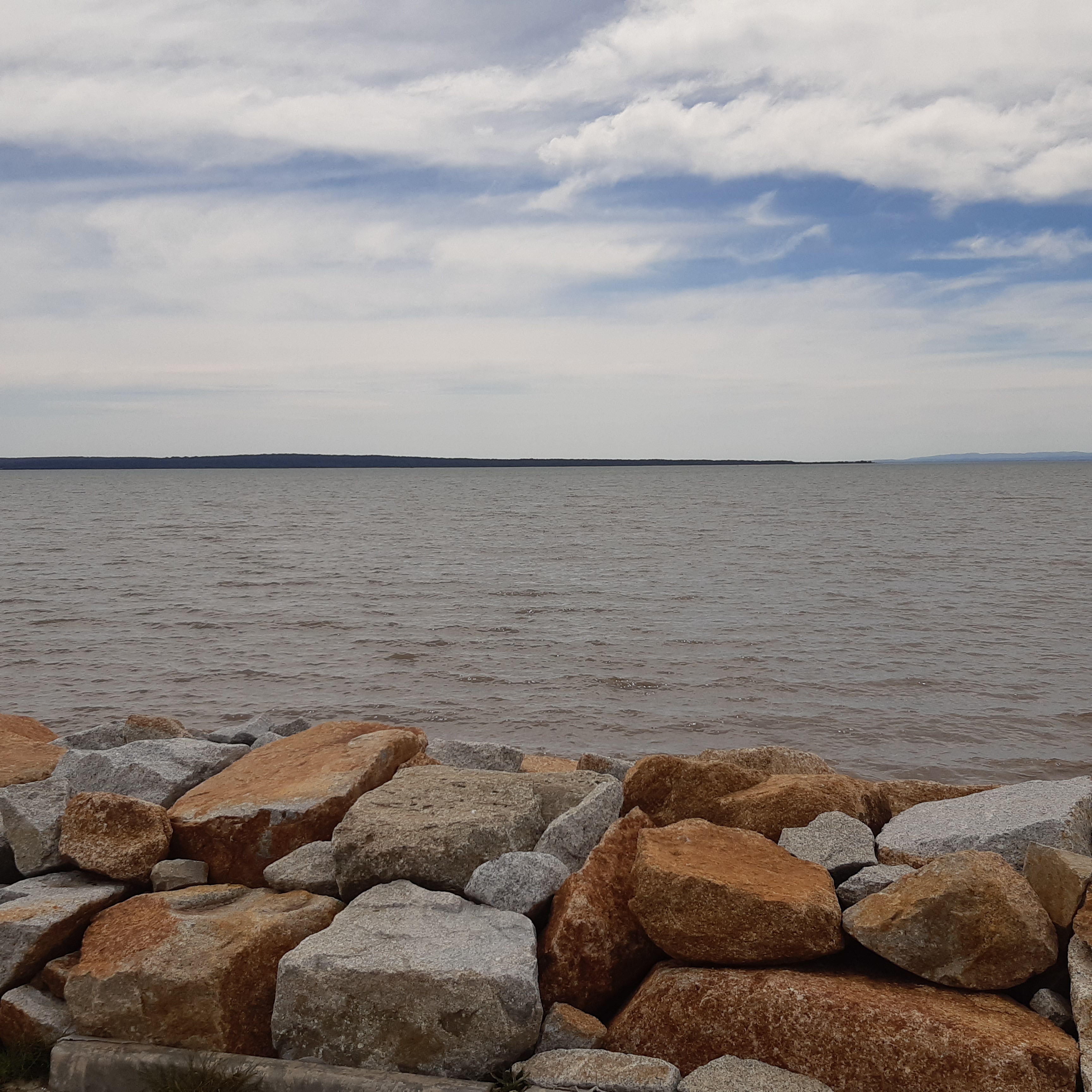
It was understood that the Bunurong had a very tense relationship with the Kurnai to the east. The two peoples were hostile towards one another. This may be one reason why the bush to the east of Western Port Bay was thicker and less frequented.
Most of the archeological sites studies (at least until 1981) had been coastal units – hundreds in fact. Very few inland hill sites are listed in Gaughwin’s study.6
It seems that the coast was a prolific food source. Particularly prevalent in Bunurong middens were wavy periwinkles and limpets.
However limited, accounts of Bunurong life by early explorers and missionaries offer us a glimpse into the times.
The life of the Bunurong was closely connected to the natural world. The environment was pantry and bed.
Theirs was a life of travel and motion.
The Bunurong lived within the environment rather than separate from it.
- Denise Gaughwin, Sites of Archeological Significance in the Western Port Catchment, Volume 1 report, prepared by The Division of Prehistory, La Trobe University for the The Environmental Studies Division, Ministry for Conservation, Victoria, 1981, p. 16 ↩︎
- Ibid, p. 45 ↩︎
- Ibid, p. 46 ↩︎
- Ibid, p. 75 ↩︎
- Ibid, p. 75 ↩︎
- Ibid, p. 91 ↩︎


Leave a Reply