By the 1840s, Europeans were moving in to Gippsland.
Where people went, government was sure to follow.
Charles Tyers was the Commissioner of the Crown Lands Office and he had ventured to the region to see it for himself.
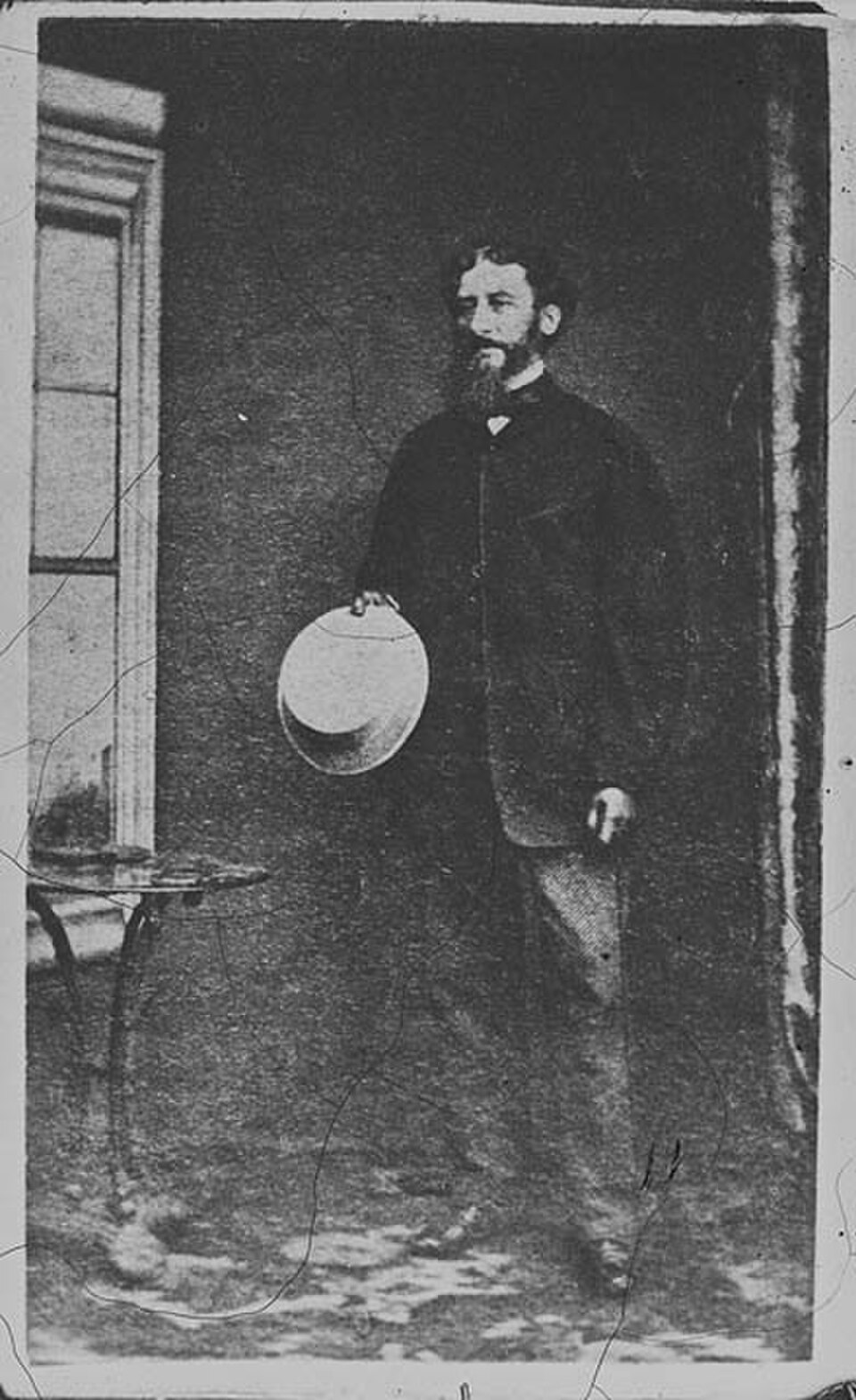
In July 1844, Tyers penned a report to Governor La Trobe, providing an overview of the area as it then was.
Tyers had been living in the area for 6 months.
In the early 1840s, Port Albert was experiencing strong growth.
Note was taken of the condition of the land in the region, particularly whether it would be suitable for agriculture or for grazing livestock.
Tyers described the major rivers of Gippsland. These waterways were important for many reasons. New settlements would benefit from being located close to water. Livestock and crops would also need fresh water.
The names that Tyers used for these rivers were different than those used by Angus McMillan. McMillan’s names remained in use over time while those used by Tyers did not.
Tyers called the land about the Avon and Macalister Rivers (which Tyers called the Barney) the “heart of Gippsland.” He wrote, “It consists of fine, open plains and forest land, and, from its superior herbage, is, I am of the opinion, capable of depasturing 50,000 sheep, or at the rate of two acres to each sheep.”1
There were experiments with sheep grazing in Gippsland. But the region was never ideal for sheep. The area is generally too wet – especially in winter. Over time, Gippsland cattle became the mainstay of the livestock economy.
Tyers hadn’t travelled the breadth of Gippsland all the way to the east. He describes the terrain as far as the Tambo River.
He mentions Lakes Victoria and King.
Tyers had a favourable opinion of Gippsland.
He considered the climate, rainfall and soil conducive to agriculture. He was confident enough to state that “Gippsland will no doubt at some future period become the granary of New South Wales.”2
He wasn’t right on the mark when he described the region as a future granary. While the region would become essential for Australian agriculture, it wasn’t prime cropping country. It tended to be too wet and too cold. Crop farming would develop in other areas on the Port Phillip District, in places like present-day western Victoria or in northern Victoria.
Settlement had preceded Tyers.
A number stations already existed and people were already residing in the district.
The number of livestock was substantial. Tyers says that the number of cattle in the district stood at 20,157 and sheep 62,455. 3 The numbers are quite incredible given that the district had only begun to be settled a few years prior.
He noted that Alberton was rather deserted. Some facilities had moved closer to the coast (to Port Albert) in order to take advantage of the shipping trade there.
Tyers considered that many of the residents in Alberton were undesirables. In the 1840s, the district was known to harbour some escaped convicts from Van Diemen’s Land.
Settlers and convicts had preceded the Law in the region. Government was playing catch up. Police were very thin on the ground. One of Tyer’s key recommendations was to increase the number of police in the area. He acknowledges that “drepredations” against Aboriginals were taking place and that he did not have enough resources to stop it. Tyers wanted to see 2 stations established in the area, each with a handful of regular police as well as some native police.
It seems that he was under the impression that Aboriginals in this part of the colony were more numerous than any other. He notes that they were relatively isolated from other tribes and suggests that they worried about attacks from other Aboriginal groups.
The district was already a net-exporter. Exports were 2 to 3 times the value of imports.
Unregulated liquor had previously been circulating in the community. However, relatively quickly, licensed premised were set up.
Tyers also recommended the building of a court-house and jail facilities.
Tyers report paints a picture of early colonial development. Conflict with the indigenous people was alluded to, but not fleshed out. Some attention was given to geographical description, but it was often tied to the productive capacity of the land. Developments with livestock and the shipping trade were note-worthy for Tyers. It is clear that law and order matters were also important to him. One gets the sense of Gippsland being a kind of Wild West location. The state was very light on the ground. Individuals were rushing ahead in their economic endeavours and they were not waiting for the state to give them direction.


Leave a Reply