Buddhist monks in the Theravada tradition usually recite the Pātimokkha on Uposatha days.
Uposatha means ‘to stay close’. In other words, it refers to keeping the training rules front of mind and not straying from the dharma.
We can distinguish the Pātimokkha from the Vinaya Pitaka. The Vinaya is the full book of monastic law and discipline. Reciting the full Vinaya would ordinarily take too long.
Thus, the Pātimokkha can be seen as a condensed version of the Vinaya.
It normally takes between 1 and 2 hours to recite the Pātimokkha.
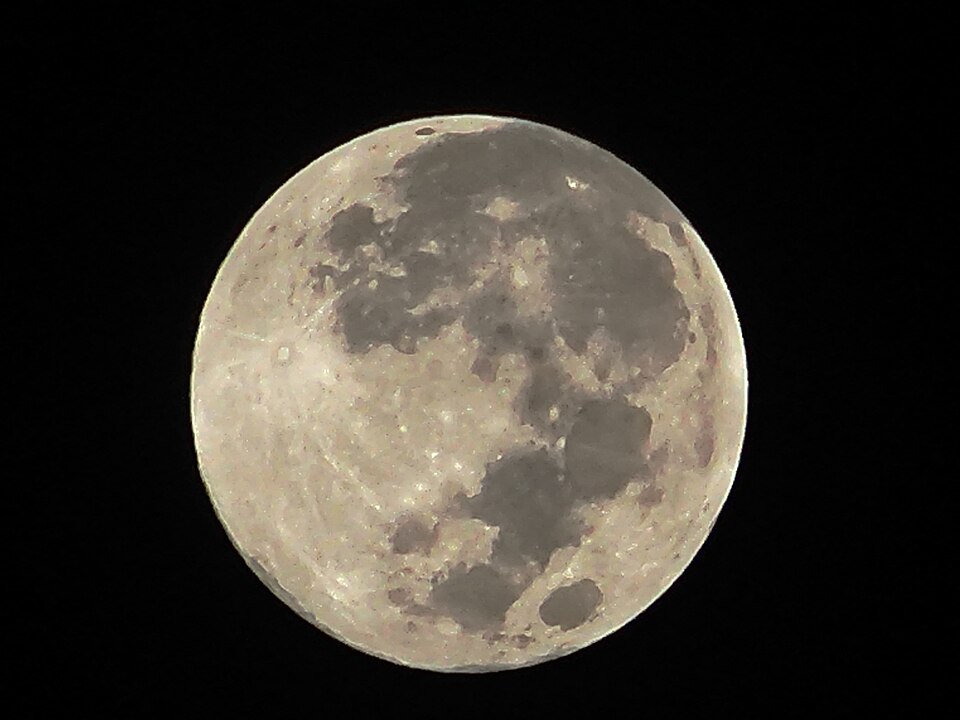
Recitation follows the lunar calendar and usually takes place on new moon or full moon days.
The frequent recital of the Pātimokkha means that the training rules are constantly reinforced.
They are brought forward again and again.
The Pātimokkha and its recitation protects the monks, others and the dharma itself.
It gives monastics a guide to their conduct. It shows them what to do and what not to do.
It makes it harder for monks and nuns to follow their own whims and desires.
Monastics have an opportunity to confess any breaches.
The Pātimokkha can help to strengthen ethical conduct.
It provides a time to pause, focus and assess how one is doing in one’s practice.


Leave a Reply