There were connections between the British and the American abolitionist movements.
British and American Quakers had extensive links.
The Abolition of the Slave Trade Act (1807) passed in Britain was noted in the U.S.
Americans interested in seeing slavery in their own country abolished, viewed the 1807 legislation as an inspiration and model that could be adapted in the U.S.
Americans saw how a multi-pronged campaign could be built across society. Methods included holding public meetings and publishing pamphlets. Anti-slavery organisations had been established and petitions signed. Legislative proposals from politicians within parliament had played a key role.
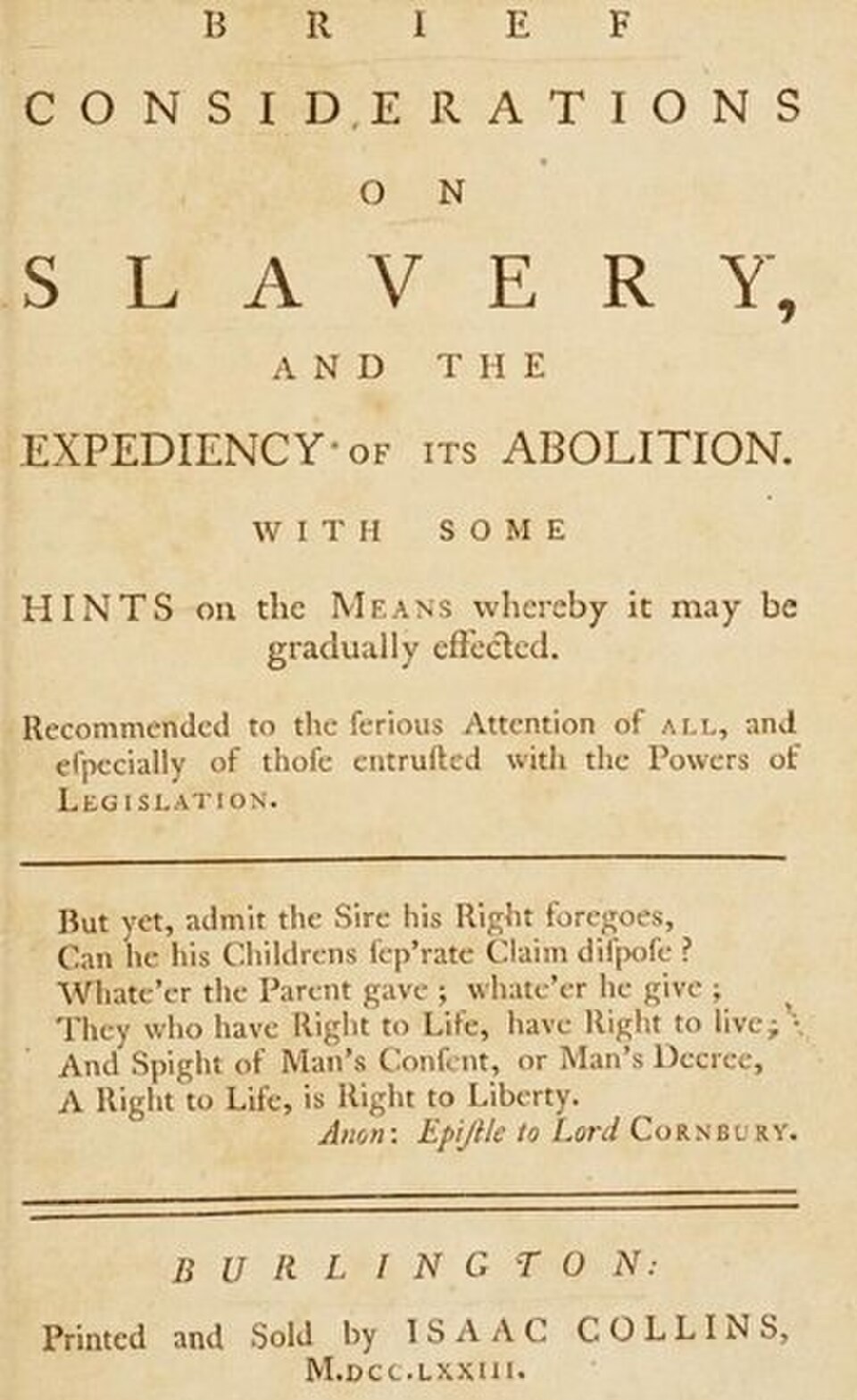
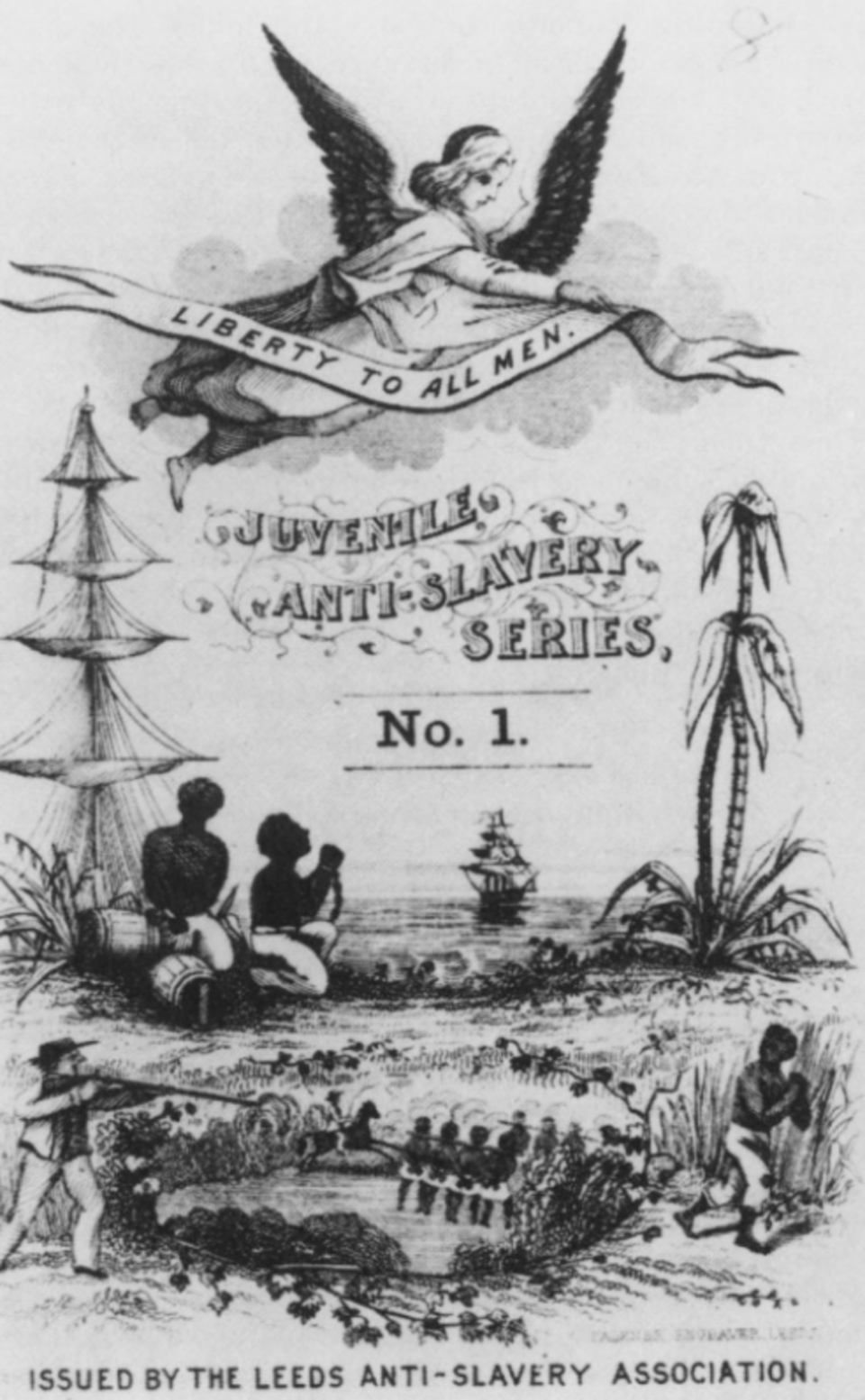
By the 1830s, Britain was further along in the fight against slavery than the U.S.
There were differences between Britain and the U.S. when it came to slavery.
Britain never passed laws formally establishing the institution. This is in stark contrast to American colonies, which explicitly formalised the practice.
Within Britain itself, slavery was never a large feature of the domestic economy. Labour was not divided along racial lines to the extent that it was in to U.S. Certainly work conditions could be deplorable – especially in the factories of the Industrial Revolution. They provided inspiration for Charles Dicken’s Oliver Twist. But these workers were just as likely to be white.
Slavery was part of the fabric of the U.S. economy – especially in the South, based as it was on agriculture.
The British politician and advocate, William Wilberforce, had some American contacts.
American publisher William Llyod Garrison drew inspiration from the British abolition movement.
He began publishing The Liberator in 1831 and in 1833 he founded the American Anti-Slavery Society.
He travelled to Britain in 1833 where he met with abolitionists. The 1833 trip was particularly significant because it occurred just as the British campaign was approaching its successful conclusion.
Garrison also went to Britain in 1840 and attended the World’s Anti-Slavery Convention in London.
The escaped slave, Frederick Douglass, travelled to Britain in 1845-47. He became a powerful speaker.
Douglass met and worked with British abolitionists and spoke to audiences across Britain and Ireland.
A group of British supporters eventually raised £150 to purchase Douglass’s legal freedom from his former enslaver.
This was an unusual and controversial step because Douglass himself strongly opposed the principle of buying a person’s freedom. Nevertheless, it meant that he returned to the United States in 1847 as a legally free man.
His British experience helped establish Douglass as an international abolitionist figure, rather than simply an American one.
As we can see, the links between the two movements were many and varied.
There were numerous person-to-person contacts.
Sometimes these connections were religious in nature. Sometimes they were political.
Advances in British legislation provided an inspiration and model for American abolitionists.


Leave a Reply