Sometimes I am asked how I learn Japanese kanji.
People see that I don’t have a teacher and wonder how I can do it.
Over 99% of my kanji knowledge has been acquired without a teacher.
I did learn some Japanese in high school, but it was really only a little hiragana and katakana.
The vast majority of my kanji knowledge comes from the systematic study of kanji materials.
This has included dictionaries, kanji workbooks and preparation booklets for the kanji kentei examination.
My first kanji book was a 2000-character tome that gave information on everyday-use kanji. For each kanji, it listed the number of strokes, on yomi readings, kun yomi readings and a few 2-character compound examples. It even gave an overview of a character’s etymology.
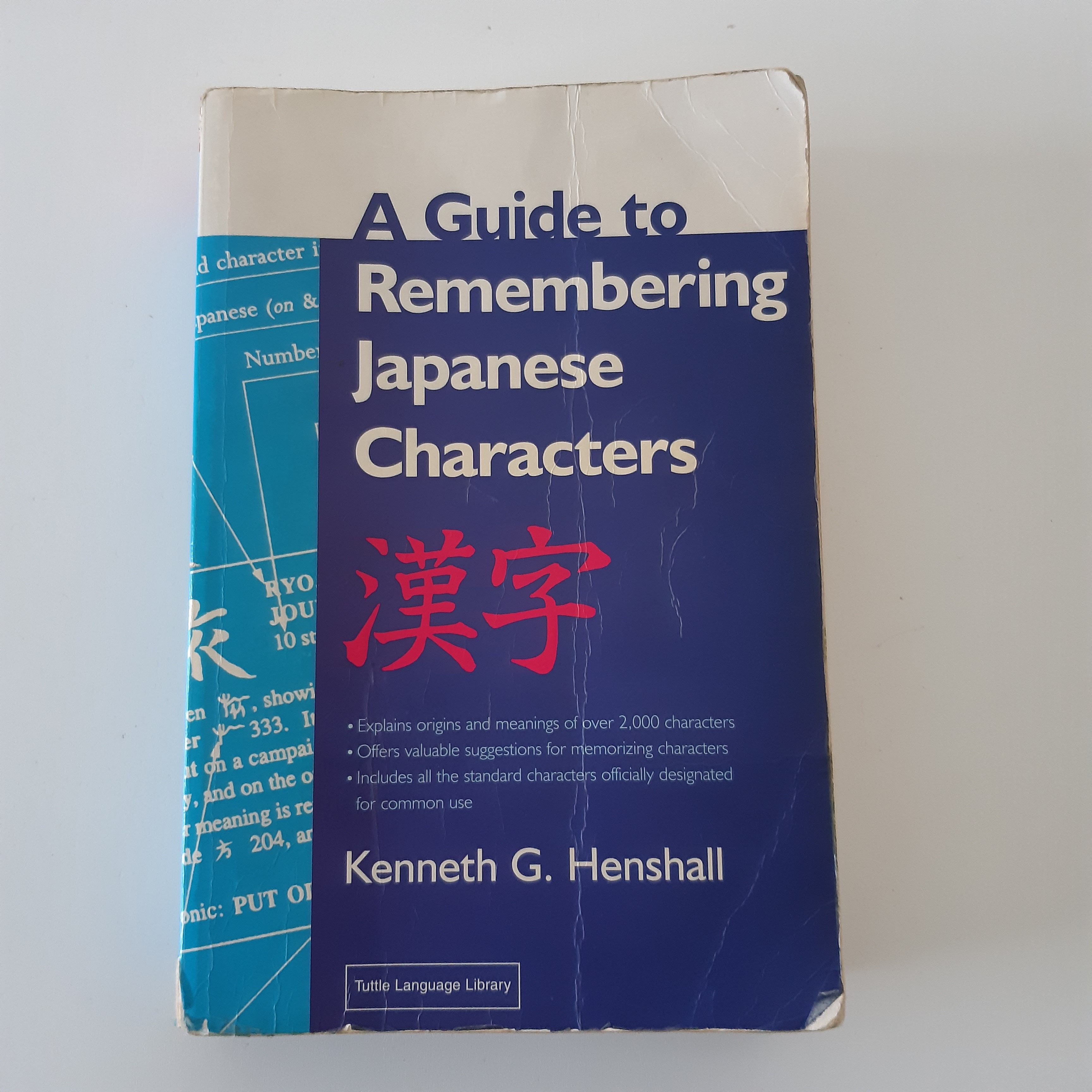
After working my way through this introductory material, I then moved on to specially-designed workbooks for the kanji kentei examination.
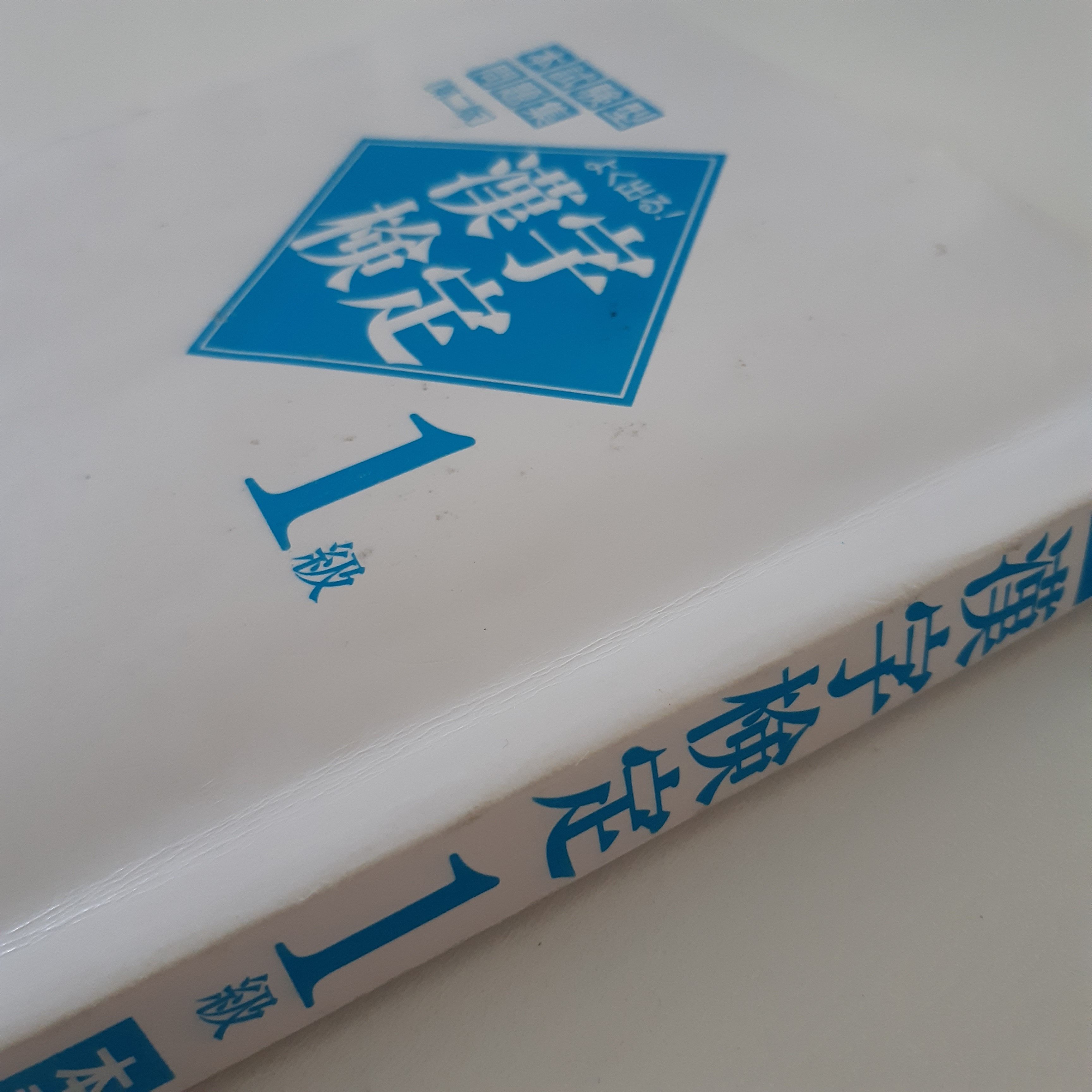
These have been particularly useful.
They provide examples of synonyms, antonyms, 2-character compounds, 4-character compounds and ateji.
They give context to kanji by situating them in example sentences.
When it comes to kanji, there is no substitute for self-study. A teacher can only provide so much information.
People can go as far as the amount of time and effort they are prepared to put in.
The number of kanji words is so vast, that a teacher cannot pass on their entire knowledge in a classroom setting – there is simply not enough time.
So the basic process for learning is this: one needs to sit, read, write, copy, memorise and repeat.
You can find many lists online. And you can construct your own lists.
Is this self-learning?
Well you have access to the base information – whether it be a digital list, an app, a dictionary or a workbook. But it is up to you to sit down with the material, read it, understand it and commit it to memory.
I found that much of the very advanced kanji is only available in the original Japanese. Therefore as a native English speaker, I had to spend a considerable amount of time and energy working out the readings and meanings of words.
I had to do the work. Nobody else could do it for me.
A teacher can be beneficial in the beginning – even necessary. You can save a lot of in time in the beginning if you have access to a teacher who can show you the basic principles of kanji and how they work.
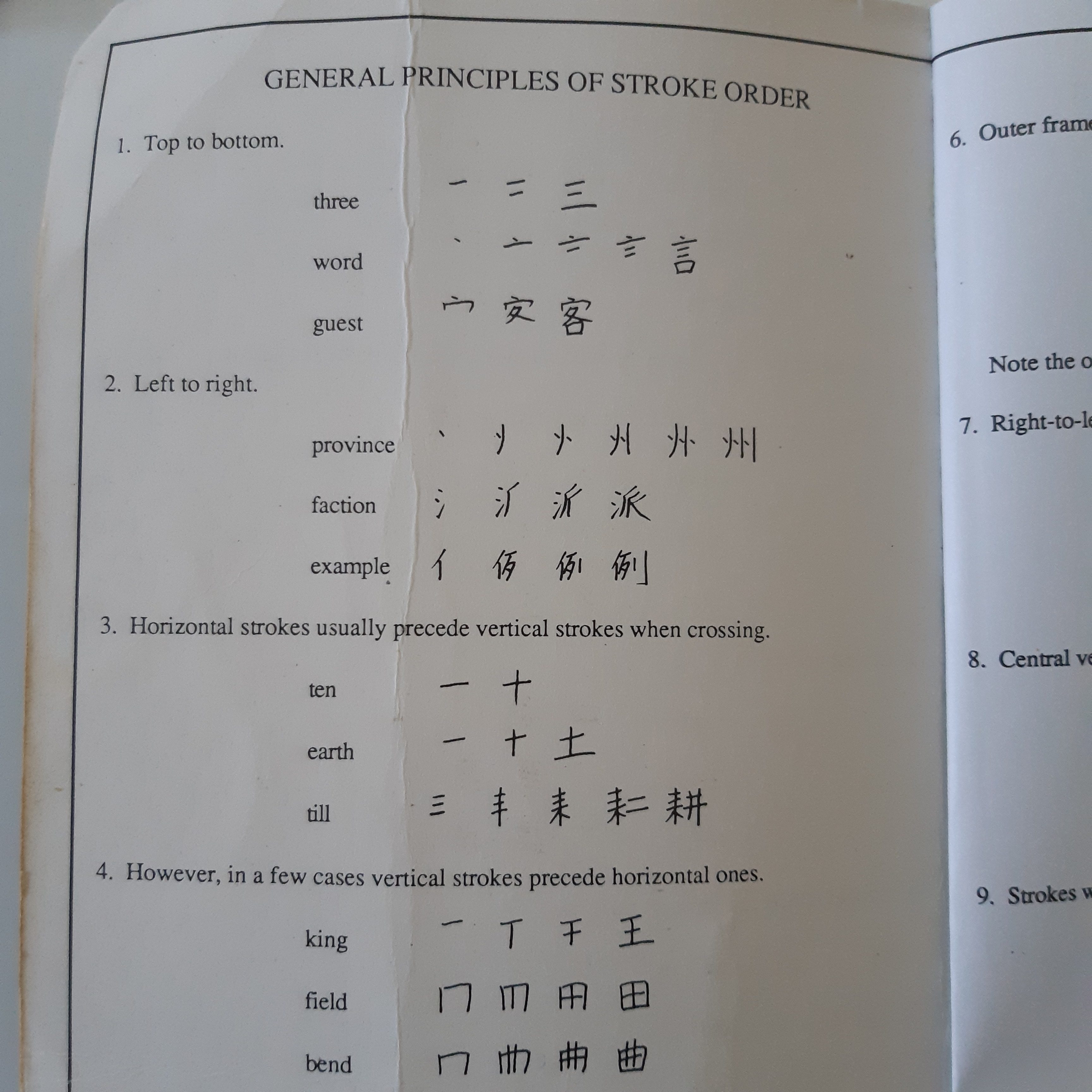
One area that really benefits from having a teacher is stroke order. Usually kanji are presented in their final form and the stroke order is not immediately obvious. Sometimes it is downright counter-intuitive.
Watching movies with Japanese subtitles will help, reading Japanese newspapers will help, watching NHK news will help.
Basic reading, writing and repetition may a bit out of fashion in education circles today. But they are essential for learning vast quantities of kanji. There is no substitute for focus and concentration.


Leave a Reply